


Mexico’s “Grito de Dolores”: A Historic Cry That Lives as Cultural Ritual
Mexico’s “Grito de Dolores” is celebrated as a cultural ritual that recalls the 1810 independence cry while raising enduring questions about sovereignty, justice, and identity.
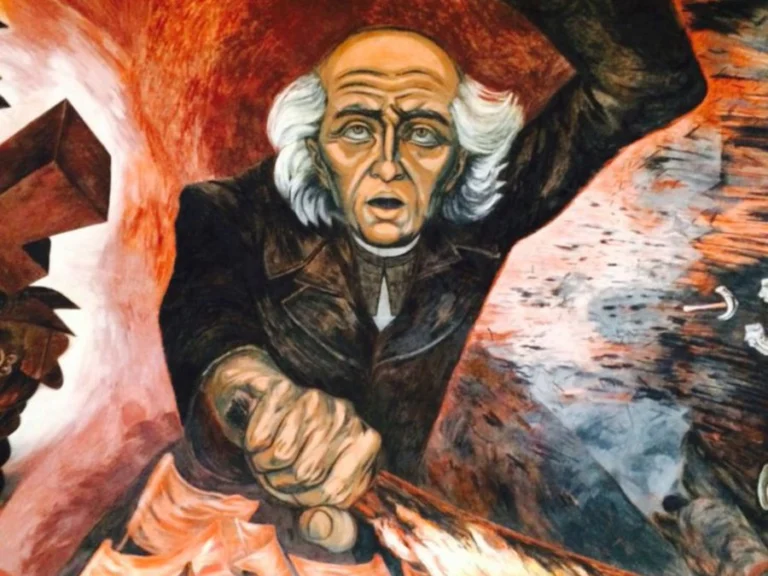
The reenactment of Mexico’s “Grito de Dolores” in Mexico City’s Zócalo square.
September 15, 2025 Hour: 7:35 am
🔗 Comparte este artículo
On the night of September 15, Mexico commemorates the “Grito de Dolores,” the call that parish priest Miguel Hidalgo launched in 1810 to ignite the independence struggle. More than two centuries later, the ritual has become a cornerstone of national identity, blending civic ceremony, popular festivity, and the enduring contradictions of postcolonial sovereignty.
The origins of the Grito were rooted in a society marked by profound inequalities. Colonial rule concentrated power and wealth in the hands of Spaniards born in the peninsula, while criollos, despite their local influence, were largely excluded from high office. Below them, Indigenous communities and mestizos bore the weight of tribute, debt, and exploitation in haciendas, workshops, and mines. In the Bajío region, thousands of so-called “indios laboríos” lived without legal protections, trapped in cycles of forced labor and indebted servitude. Reforms imposed by the Spanish Crown in the late eighteenth century tightened fiscal controls and monopolies, deepening resentment across social groups.
Well before Hidalgo’s call, networks of dissent had been forming. Conspiracies in Querétaro and other towns revealed the ferment of ideas about self-rule, fueled by Enlightenment thought, the influence of the French and Haitian revolutions, and the example of other movements in Latin America. When these conspiracies were discovered, urgency replaced planning. In the early hours of September 16, 1810, Hidalgo rang the church bell in Dolores, calling on the people to rise. His words, remembered as the “Grito,” crystallized the discontent of a fractured colony and unleashed a war that would last more than a decade.
The uprising carried multiple promises: the abolition of Indigenous tribute, the end of forms of slavery, relief from crushing debts, and the possibility of greater autonomy for local communities. Some changes materialized, especially in territories seized by insurgents, but many aspirations remained unfulfilled. Independence brought political sovereignty, yet entrenched inequalities and external dependencies survived well into the new republic.
Today, the Grito is reenacted each year from the balcony of the National Palace in Mexico City, where the president rings the historic bell from Dolores. The act is replicated in plazas across the country and by Mexican communities abroad, especially in the United States, making it both a domestic and diasporic ritual.
But the meaning of the Grito goes far beyond official ceremony. It is embedded in popular culture: mariachi music, folkloric dance, and traditional dishes like pozole, tostadas, and chiles en nogada. Families gather to celebrate, town squares transform into collective stages, and fireworks light the night sky. In this way, history is not only remembered but performed through sound, flavor, and community.
Successive governments have also reinterpreted the Grito to serve their times, from Porfirio Díaz’s nationalist spectacles to the mass rallies of the 20th century, and the present-day ceremonies broadcast nationwide. This political appropriation underscores its dual nature: a tool of state legitimacy and a symbol embraced by ordinary people as part of their cultural fabric.
Viewed from the perspective of the global South, the Grito resonates alongside other independence movements that sought to dismantle colonial domination across Latin America. Yet it also embodies the unfinished tasks of those struggles—social justice, equality, and genuine cultural autonomy. Its legacy is not static: it remains a reminder that independence is both a celebration of freedom and an ongoing demand for deeper transformation.
More than 200 years after Hidalgo’s call, the Grito endures as both festivity and critique. It unites Mexicans in joy and memory, while also pointing to the unresolved questions of sovereignty that continue to shape the country’s path within the wider story of Latin America and the global South.
Author: MK